
Why Hiring Local Bookshelf Makers Beats Buying Mass-Produced Shelving

David Alan • October 9, 2026

Share this article

How to Find Bookshelf Makers Near You

To find a local bookshelf maker, look for custom cabinet shops and finish carpenters in your area. Compare photos of projects like yours, read recent reviews, and request written estimates. Ask whether the same team will measure, build, and install your shelves, and confirm its insurance and warranty terms.

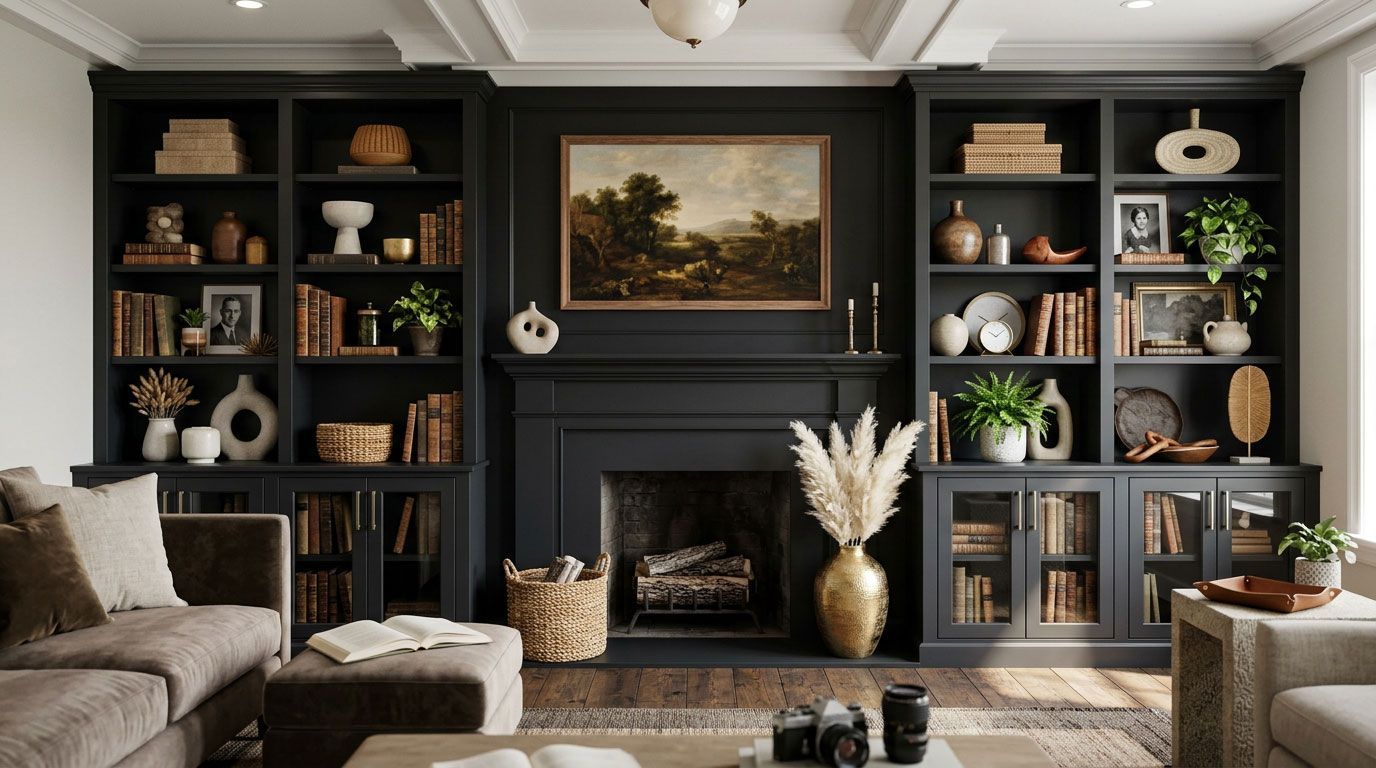
Mass-produced shelving may work for a simple wall. A local maker can build around alcoves, match your home's trim, and add storage that fits how you live. The result can feel like part of the room rather than furniture placed in it.

I'm David Alan, president of Pittsburgh-based Closets by David Alan, where I lead the design and installation of bespoke cabinetry and luxury storage. If you searched for "bookshelf makers near me," I'll help you choose a builder and a design that suit your home.

Custom Craftsmanship vs. Mass-Produced Shelves: Key Differences

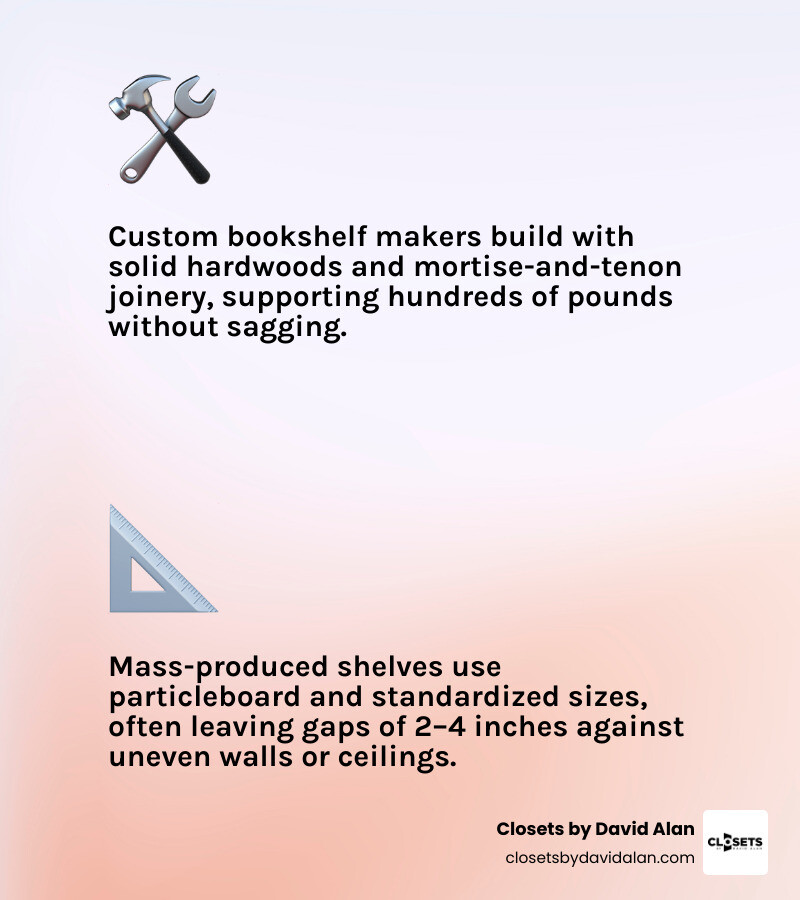
When outfitting a home office, living room, or private library, homeowners face a fundamental choice: assemble flat-pack shelving from a box or hire a dedicated artisan. While flat-pack options promise immediate gratification, they inevitably come with structural compromises, standard dimensions that leave awkward gaps, and short lifespans.

Investing in tailored custom bookcases ensures your shelving is designed around your specific lifestyle, ceiling heights, and aesthetic preferences.

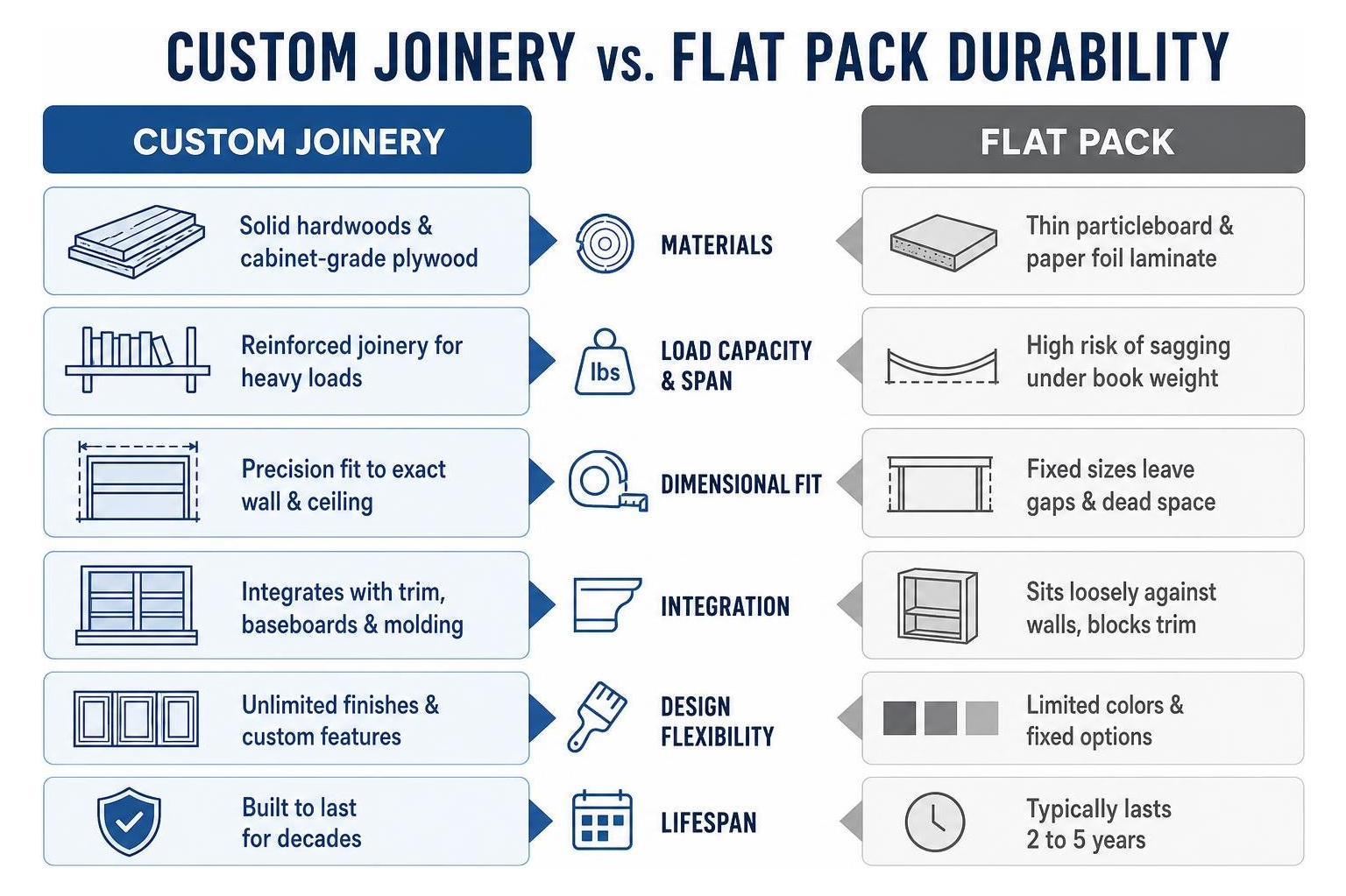
Feature Mass-Produced Flat-Pack Shelving Custom Artisan Built-In Bookshelves
Primary Materials Thin particleboard, paper foil laminate, hollow core Solid hardwoods (oak, maple, walnut), premium cabinet-grade plywood
Load Capacity & Span High risk of sagging under standard book weight Reinforced structural joinery engineered for heavy collections
Dimensional Fit Fixed modular sizes leaving dead space and gaps Precision-scribed to exact wall, ceiling, and alcove dimensions
Integration Sits loosely against walls, often blocking trim Seamlessly built into baseboards, wainscoting, and crown molding
Design Flexibility Limited colors, fixed shelf depths, no custom features Unlimited finishes, integrated lighting, concealed desks, and cabinetry
Lifespan 2 to 5 years (deteriorates rapidly when moved or loaded) Decades; built to become a permanent architectural asset

Material Quality and Structural Integrity

The most common failure point in factory furniture is structural deflection, colloquially known as "shelf sag." Most flat-pack systems use low-density particleboard held together by thin dowels and cam locks. When loaded with hardcover art books or heavy reference volumes, these shelves bow within months.

In contrast, our artisans build with solid Appalachian hardwoods like hard maple, red oak, walnut, and high-density furniture-grade plywood cores. We incorporate traditional mortise-and-tenon joinery, dado grooves, and reinforced face frames. This structural rigidity ensures that spans of 36 inches or wider hold hundreds of pounds without bending.

Precision Fit for Distinct Architectural Spaces

Every home features unique architectural quirks. In historic neighborhoods throughout Pittsburgh, such as Shadyside and Sewickley, rooms often have plaster walls, unlevel floors, and non-standard ceiling heights. Meanwhile, modern constructions in Wexford or Cranberry Township feature open layouts requiring distinct room-defining statement pieces.

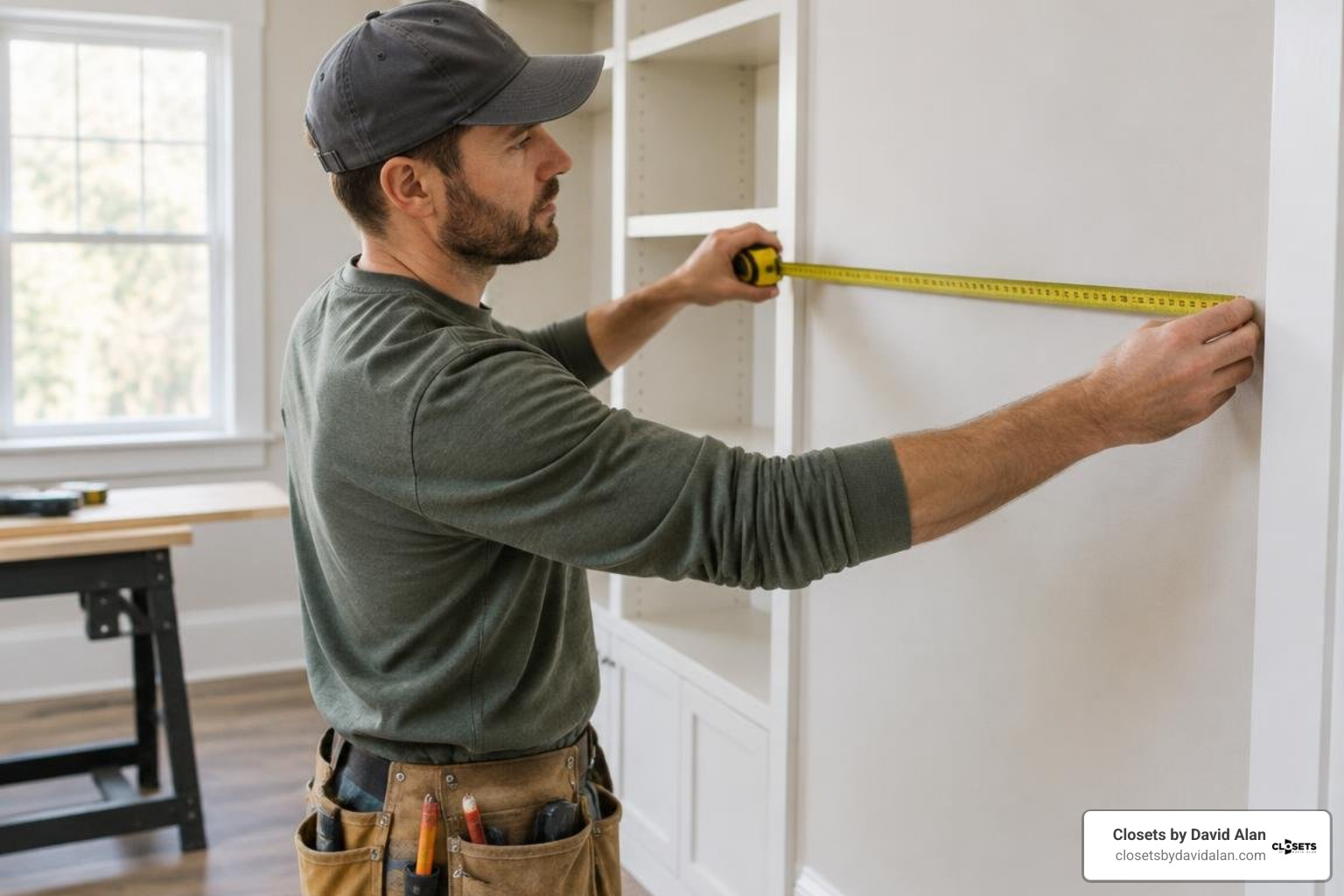
A mass-produced shelf cannot navigate these nuances. Custom makers measure to within a 1/16-inch tolerance, allowing for seamless scribing along uneven walls and baseboards. Whether you are transforming your living room with a custom entertainment center and bookshelf setup or tucking storage into an unused architectural alcove, tailored carpentry looks like it was born with the home.

Popular Styles and Functional Features for Custom Bookshelves

Modern custom shelving transcends simple open ledges. Today's built-ins serve as multifunctional architectural centerpieces combining open display, hidden storage, and ergonomic work surfaces.

When designing your layout, you can consult our ultimate guide to custom home office built-ins for deep inspiration on workspace ergonomics. For those seeking soft, transitional aesthetics, incorporating arched profiles is a timeless choice; explore our breakdown on how to build an arch bookshelf to see how curved millwork creates focal beauty.

Integrated Workspace and Storage Additions

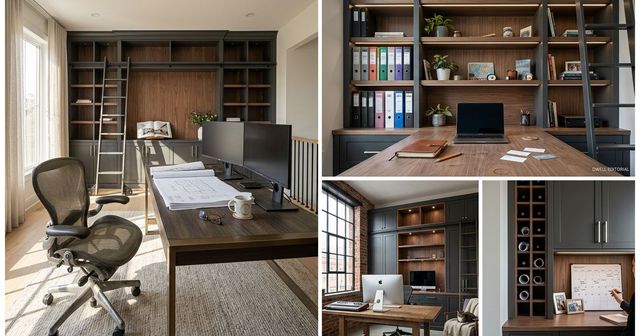
A popular design combines floor-to-ceiling vertical shelving with lower base cabinetry. This configuration allows you to showcase curated decor, sculptures, and book spines up top while concealing electronics, board games, files, and cables behind soft-close cabinet doors or dovetailed drawers.

For multi-use studies and libraries, building integrated floating desks directly into the bookshelf framework provides an unbroken, clutter-free workspace. You can explore complete configurations in our portfolio of custom home office spaces.

Architectural Lighting and Custom Finishes

Lighting transforms a simple shelf into a high-end display gallery. Skilled makers route hidden electrical channels behind the face frames to integrate:

  • Vertical or Horizontal LED Channels: Warm-temperature (2700K–3000K) diffused strip lighting that softly washes books and decor.
  • Recessed Puck Accent Lights: Ideal for illuminating dedicated art niches or top-shelf treasures.
  • Touch and Smart Dimming: Integrated directly into home automation systems for easy ambiance control.

Paired with factory-grade paint matching or rich, hand-rubbed stains, these illuminated units elevate your room just like our luxury custom entertainment centers.

How to Choose the Best Bookshelf Makers Near Me for Your Home

Finding the right local woodworker requires vetting more than just a gallery of pretty photos. According to platforms like Houzz—which hosts more than 16,000 carpentry projects and over 1 million homeowner reviews—working with a dedicated local professional provides accountability that distant online retailers cannot offer.

How to Research and Screen Local Custom Builders

When researching regional artisans, follow these core screening guidelines:

  1. Examine Real Project Portfolios: Look for edge-to-edge wall installations, seamless crown molding integration, and clean paint or stain finishes. Look for portfolios showing complex installations on directories like the Houzz directory of custom bookcase builders to gauge craftsmanship standards.
  2. Verify Licensing and Comprehensive Insurance: Ensure the team is fully insured to work inside your home.
  3. Insist on 3D Renderings: Reputable modern builders will provide digital 3D models before cutting wood, ensuring you approve every dimension, shelf depth, and finish detail in advance.

Questions to Ask Qualified Builders Before Hiring

To avoid mid-project surprises, ask your shortlisted builders these direct questions:

  • What materials do you use for structural shelving versus face trims? (Look for solid wood or 3/4-inch to 1-inch furniture-grade plywood, not low-grade composite particleboard).
  • Do you build on-site or off-site in a cabinet shop? (Off-site shop fabrication reduces dust and disruption in your home).
  • Who performs the installation? (Ensure the company employs dedicated master installers rather than untested third-party sub-contractors).
  • What warranty do you provide on hinges, drawer slides, and structural joints?

Step-by-Step Process and Timelines for Custom Bookshelf Projects

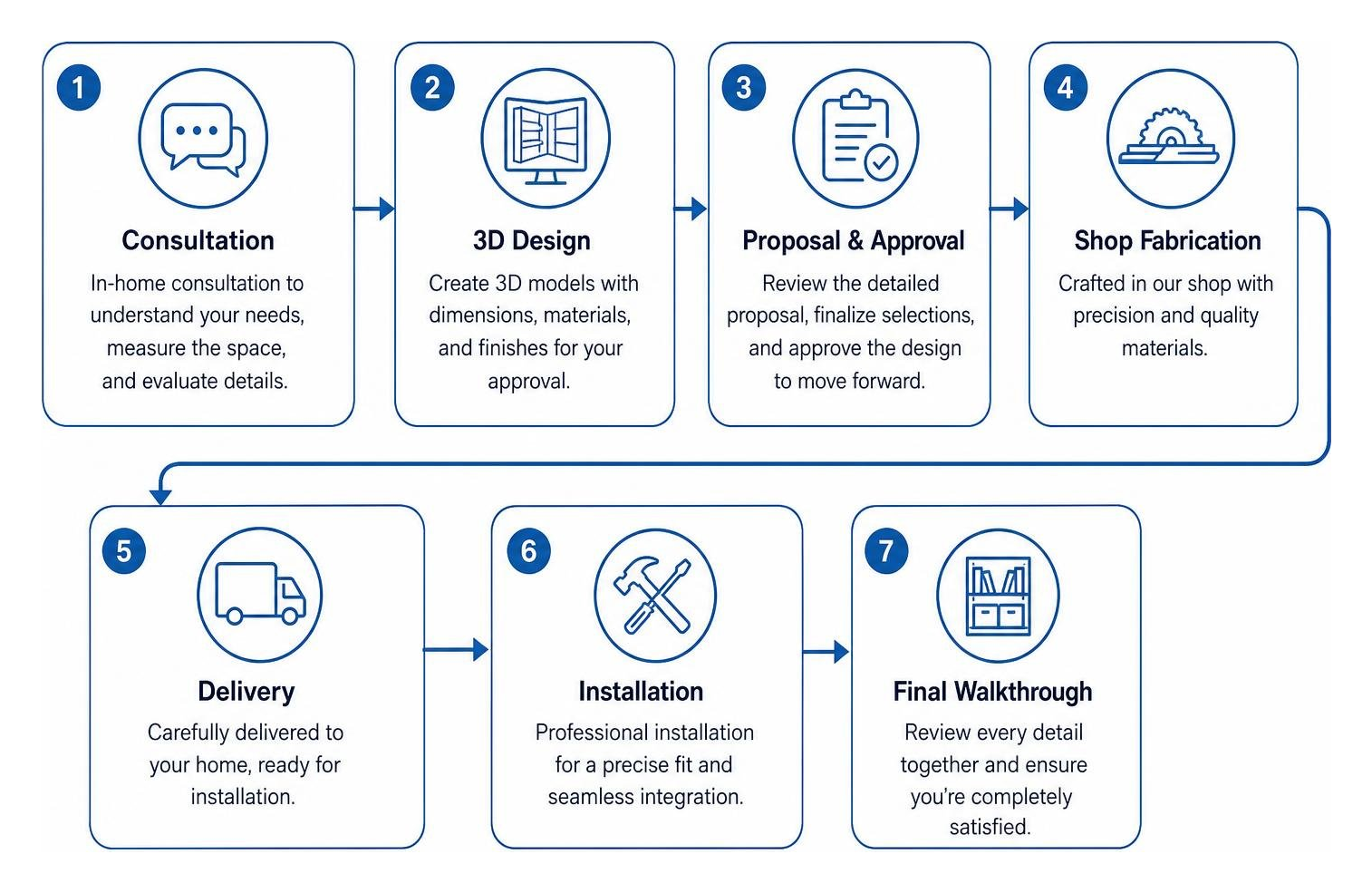
Working with a custom craftsman is an organized, collaborative process. While standard custom projects typically take 2 to 3 weeks from design approval to completion, larger multi-room custom installations can span 4 to 16 weeks depending on wood sourcing, architectural complexity, and finish techniques.

When commissioning our custom spaces, the process follows two defined stages:

Step 1: Initial Consultation and 3D Design Modeling

The process begins in your home. We evaluate your storage needs, catalog your book collection sizes, take laser-accurate measurements (down to 1/16 of an inch), and evaluate existing trims and baseboards.

Next, we generate precise 3D renderings that allow you to visualize the finished unit in your room, select your hardware, choose wood species, and dial in paint or stain finishes before production begins.

Step 2: Workshop Fabrication and Precise Installation

Once designs are approved, all millwork, cutting, joinery, and spray finishing take place off-site in a controlled cabinet shop. This step ensures flawless paint and lacquer curing while keeping sawdust out of your living areas.

On installation day, the prefabricated components are delivered to your home. Installers level the base cabinets, fasten structural frames securely to the wall framing, scribe the end panels flush to uneven drywall, and trim the unit with integrated crown molding. The project concludes with a detailed walkthrough to guarantee total satisfaction.

Cost Breakdown and Long-Term Value of Custom Built-Ins

Custom bookcases represent an investment in permanent architecture rather than disposable furnishings. While initial costs exceed flat-pack purchases, custom built-ins deliver a substantial return on investment through durability and enhanced home equity.

Key Factors Influencing Custom Built-In Value

The overall investment required for custom shelving is determined by five main factors:

  • Overall Scale and Linear Footage: Full-room, floor-to-ceiling installations require more structural timber and trim work than a small alcove setup.
  • Material Selection: Domestic hardwoods like walnut, cherry, and quarter-sawn white oak command higher material costs than paint-grade maple or birch plywood.
  • Architectural Millwork Details: Integrated crown molding, fluted face columns, wainscot backing, and rolling library ladders require extra hand craftsmanship.
  • Integrated Components: Soft-close drawers, hidden push-to-open doors, integrated desks, and low-voltage electrical channel wiring add functional luxury.
  • Finish Complexities: Multi-step hand-rubbed wood stains, wire-brushed textures, or custom color-matched lacquer finishes.

Real estate professionals consistently note that custom built-in libraries and high-end cabinetry improve appraisal interest and buyer appeal, making your home stand out in competitive markets.

Frequently Asked Questions About Hiring Bookshelf Makers

How long does it take for custom bookcase builders to complete a project?

Most custom projects take approximately 2 to 3 weeks from design sign-off to completion. For extensive, whole-home library projects or highly intricate architectural designs, fabrication and finish curing can range from 4 to 16 weeks . The on-site installation itself is typically completed in just one to two days.

Can custom bookshelves be built into uneven walls or alcoves?

Yes. Unlike flat-pack units that leave uneven gaps against wavy drywall or sagging ceilings, custom cabinet makers use precision scribing techniques. Using laser levels and custom-cut trim pieces, builders scribe each panel to fit the unique contour of your walls and floors.

What wood species is best for heavy book collections?

For heavy art, academic, or legal book collections, choose dense domestic hardwoods such as hard maple, red oak, white oak, or walnut , paired with structural 3/4-inch or 1-inch furniture-grade plywood shelving. Avoid thin 1/2-inch particleboard or low-density fiberboard, which inevitably bows under significant weight.

Conclusion

Mass-produced shelves may solve an immediate storage need, but bespoke built-in bookcases provide lasting elegance, structural strength, and architectural character. By working with skilled local craftsmen, you transform ordinary walls into stunning display galleries that elevate your day-to-day life and enhance your home's long-term value.

At Closets by David Alan , we bring personalized luxury, white-glove service, and master woodworking to homes across the greater Pittsburgh region—from Sewickley and Fox Chapel to Mt. Lebanon and Upper St. Clair.

Ready to design the library or display wall of your dreams? Explore our step-by-step guide to building bookcase built-ins to learn more, or schedule your personalized design consultation with our master team today.

Recent Posts

By David Alan • October 14, 2026
Build your own DIY built in bookcase with desk using our step-by-step framing plans and expert finishing tips.
By David Alan • October 13, 2026
Compare modular vs. custom closet cabinets for durability, storage, and installation. Find the best system for your space.
By David Alan • October 12, 2026
Design a beautiful walk in wardrobe with expert layout, lighting, storage, and luxury features—from open shelving to smart organizers.
By David Alan • October 10, 2026
Learn how to design and install custom closet built ins with our detailed guide on planning, materials, and professional finishing techniques.
By David Alan • October 8, 2026
Discover smart reach-in closet remodel ideas to maximize storage and style. Transform your space with expert layout and design tips.
By David Alan • October 7, 2026
Plan your custom island installation with expert tips on sizing, materials, storage, and layout for a seamless, luxury kitchen upgrade.
By David Alan • October 6, 2026
Learn how to add walk in pantry to kitchen layouts with expert tips on space planning, shelving, and budgeting for a functional, organized pantry.
By David Alan • October 2, 2026
Discover balanced his and her wardrobe design with space division, custom layouts, and smart storage for a clutter-free, efficient shared closet.
By David Alan • October 1, 2026
Learn expert walk in closet design ideas for layout, storage, and lighting to transform your space with a custom, boutique feel.
By David Alan • September 30, 2026
Design your dream built in entertainment center with bookshelves for a seamless, custom living room transformation.

Show More